Who is it for?
Hydatid cyst is a parasitic (echinococcal) cystic disease, most often of the liver. Percutaneous (needle-based) treatment is an effective non-surgical option for cysts of suitable type and stage, determined by imaging.
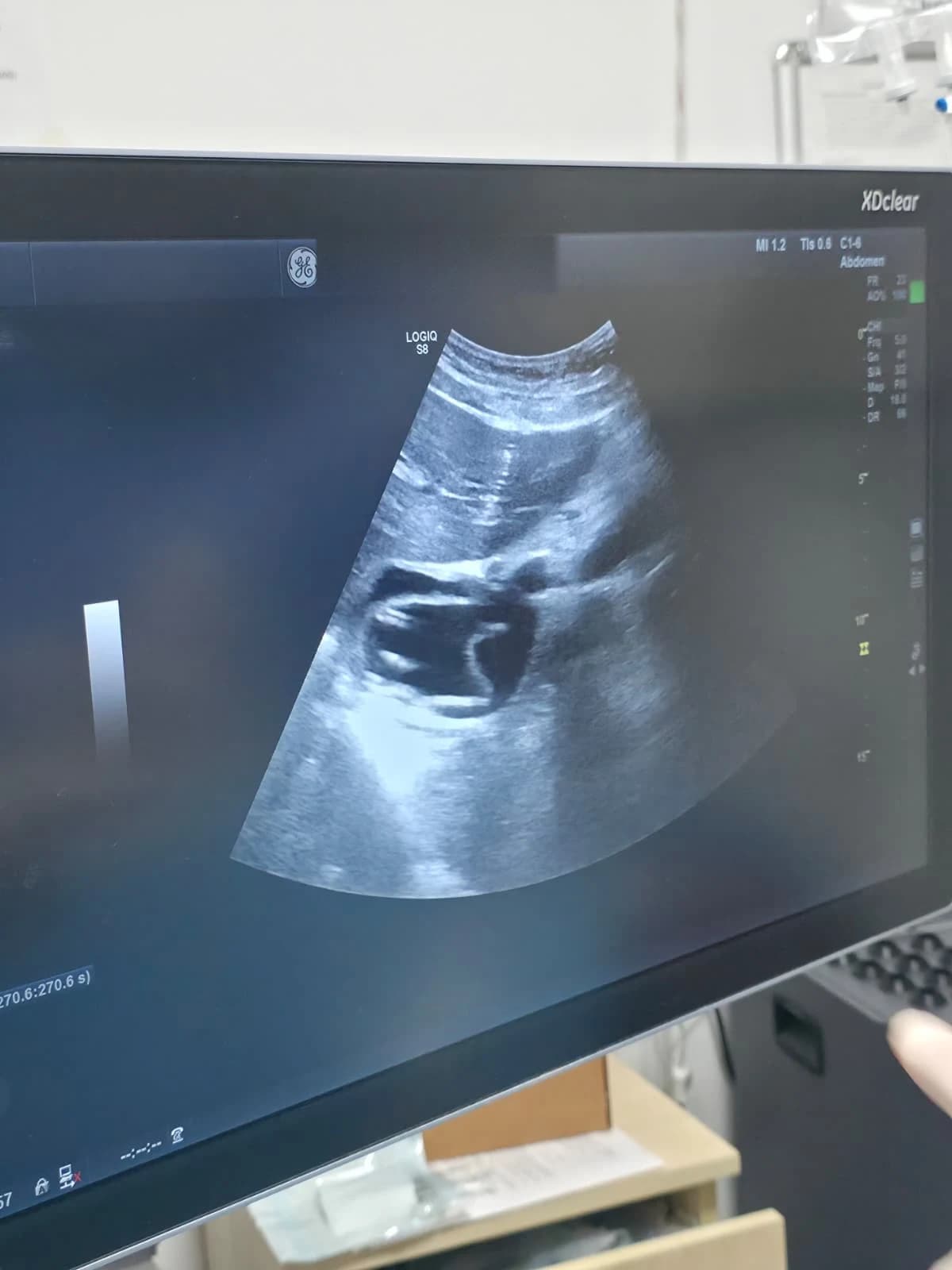
Which cyst is treated with a needle, which with medication alone and which surgically depends on the cyst’s ultrasound stage (the international WHO classification), size and location. This staging assessment is the most critical step of treatment.
How it is done — step by step
Drug protection
An antiparasitic drug (albendazole) started before the procedure provides protective cover and is continued afterwards for a period set by your physician.
Access
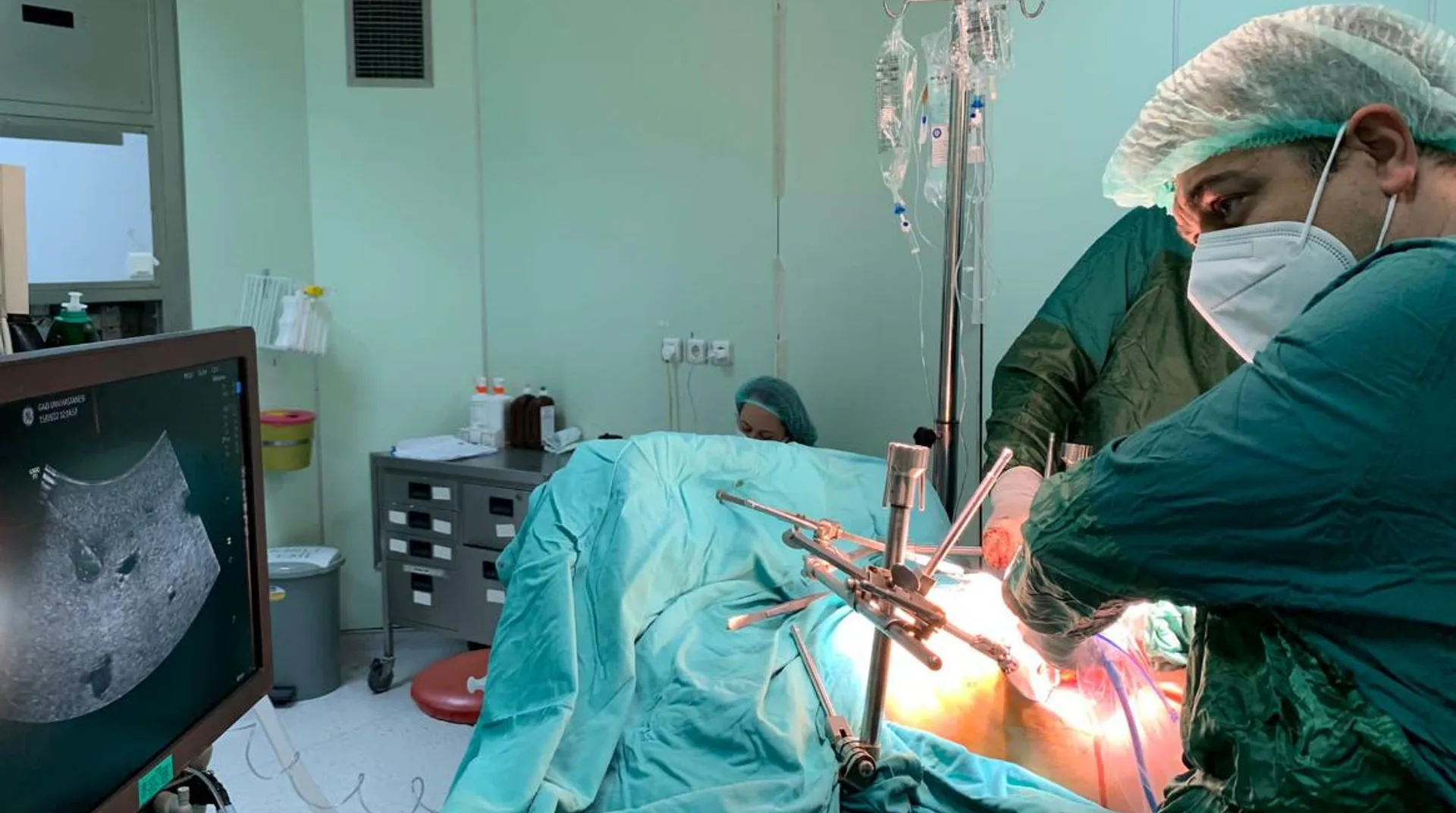
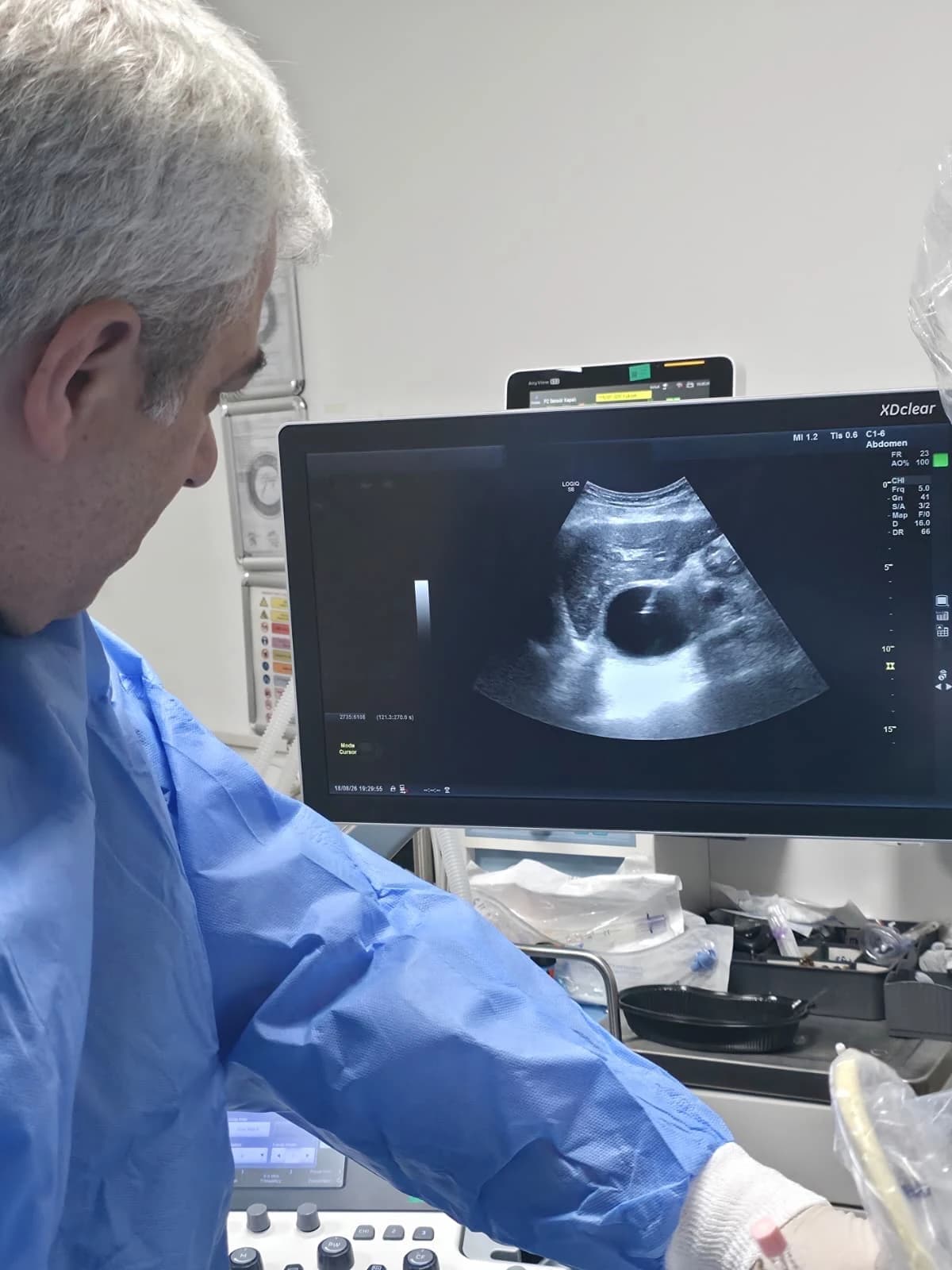
With the anaesthesia team present, a fine needle reaches the cyst under ultrasound guidance and the fluid is drained.
Inactivation
A solution that inactivates the parasite is instilled, left to act, then withdrawn. Large cysts may be completed with a thin catheter.
Check
The cavity is imaged once more; only a needle mark remains on the skin.
What to expect on the day
You will be asked to fast. The procedure is performed with the anaesthesia team on standby so that any allergic reaction can be treated instantly — this is a precaution and the standard of care.
You are observed for several hours; most patients are discharged the same day or after one overnight stay.
Risks and Limitations
The most important risk to know is an allergic reaction to the cyst fluid; it is rare but can be serious. This is precisely why the procedure is done in an experienced centre with anaesthesia standby — that is what makes the risk manageable.
Other rare events include infection, bleeding and bile leak when the cyst communicates with bile ducts. Not every cyst suits this method; multi-loculated or certain-stage cysts may be better treated surgically or with medication alone.
Recovery and follow-up
Most patients return to normal life within days. Continuing the antiparasitic drug for the prescribed period is important.
The cyst is followed with ultrasound: its content solidifies and its size decreases over time — the imaging signature of successful treatment. Follow-up intervals are planned together.
Scientific References
- WHO-IWGE — Kistik ve alveolar ekinokokkozda tanı ve tedavi uzman görüş birliği (Brunetti E ve ark., Acta Tropica, 2010)
- Dernek kaynakları: CIRSE (Avrupa Girişimsel Radyoloji Derneği) · SIR (ABD) · SIO (Society of Interventional Oncology) · TGRD (Türk Girişimsel Radyoloji Derneği)
Frequently Asked Questions
Is hydatid disease contagious?
It does not spread from person to person. The parasite is usually acquired through food or water contaminated by infected dog faeces. Family screening can be done on your physician’s advice.
Is non-surgical treatment safe?
For cysts of suitable stage, performed in an experienced centre with anaesthesia standby, it is a safe and effective method. The allergic-reaction risk is rare and is managed by exactly this preparation.
Is medication alone not enough?
Some small, early-stage cysts may be managed with medication alone. For many cysts, however, drugs alone do not provide a lasting solution; the cyst’s stage decides.
Does the cyst disappear completely?
After treatment the content solidifies and shrinks over time; it may not vanish entirely, but losing its viability is the goal. This is tracked with follow-up ultrasound.
Will I continue the drug afterwards?
Yes — the antiparasitic drug provides cover around the procedure and is continued for the period your physician sets.
Can it recur?
Rarely a cyst may refill or a new cyst may develop; regular ultrasound follow-up is therefore advised. The procedure can be repeated if needed.
The information on this page is for general education; diagnosis and treatment decisions are made individually after clinical evaluation.